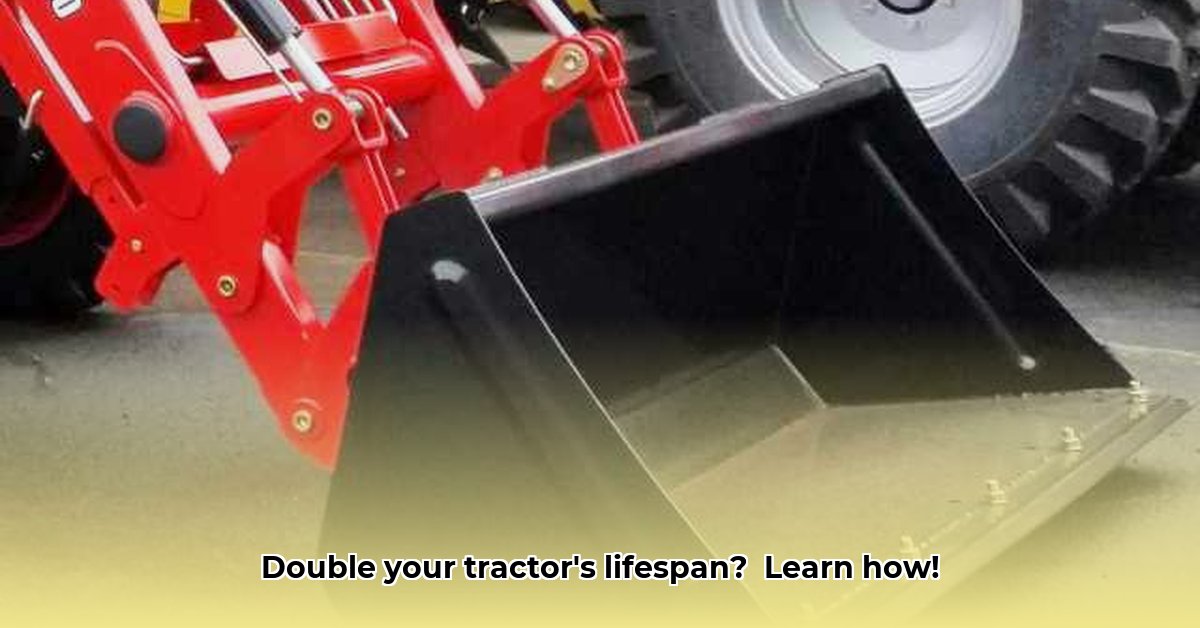
Let's face it: tractor cutting edges are essential but expensive consumables. Replacing them frequently impacts both your bottom line and the environment. This guide shows you how to significantly extend their lifespan using reversible cutting edges, saving you money and boosting your farm's sustainability. We’ll cover the different types, installation, maintenance, and the overall cost-benefit analysis. This is about making your farm more profitable and environmentally responsible—a true win-win! For precision farming, explore GPS technology.
Understanding Reversible Cutting Edges: Types and Installation
Reversible cutting edges are designed to be flipped and reused once one side wears down, effectively doubling their lifespan. This simple innovation dramatically reduces material waste and lowers your operational costs. Two main types exist: bolt-on and weld-on.
Bolt-On Cutting Edges: A Quick-Change Solution
Bolt-on reversible cutting edges offer ease of installation and replacement. They require only basic tools, making them ideal for quick field repairs or situations needing frequent edge changes due to varying soil conditions. They are an excellent option for farmers prioritizing convenience and minimal downtime.
Bolt-On Installation (Step-by-Step):
- Loosen Fasteners: Carefully loosen the bolts securing the old cutting edge (use the correct sized wrench to avoid damage).
- Remove Old Edge: Gently remove the worn cutting edge, noting its orientation for easy reinstallation.
- Position New Edge: Align the new cutting edge precisely with the plow, ensuring a perfect fit.
- Securely Fasten: Tighten the bolts firmly, but avoid over-tightening (consult your manufacturer's specifications for torque values).
- Final Inspection: Visually inspect the installation for any gaps or misalignments.
Weld-On Cutting Edges: Superior Strength and Durability
Weld-on reversible cutting edges provide superior strength and a longer lifespan than bolt-on types. However, they demand professional welding expertise for installation and removal, making them a more involved process. Their superior durability makes them suitable for consistent soil conditions and those prioritizing long-term cost savings.
Weld-On Installation (Step-by-Step):
- Surface Preparation: Thoroughly clean the mounting area on the plow to ensure a strong weld.
- Precise Positioning: Accurately position the new cutting edge, ensuring perfect alignment. A second pair of eyes is recommended.
- Expert Welding: A skilled welder should perform the welding process, using appropriate techniques to avoid warping or damage.
- Smoothing and Inspection: Grind any excess weld material smooth. Carefully inspect the weld for any cracks or defects.
- Quality Control: A final visual inspection is crucial to ensure a strong and secure installation.
Material Selection and Considerations: The Key to Longevity
The material composition of your cutting edge significantly affects its lifespan and performance. High-carbon steel alloys (such as 1055) are popular due to their exceptional strength and wear resistance. While the upfront cost might be slightly higher, the extended lifespan often translates to significant long-term savings. The increased durability is especially advantageous in harsh soil conditions. Choosing the right material is an investment in reduced downtime and operational efficiency.
Maintenance and Repair: Preventing Problems Before They Start
Regular inspection and maintenance are crucial for maximizing the lifespan of your reversible cutting edges. Frequently inspect for wear, cracks, or damage. Sharpening a dull edge can restore effectiveness, and addressing minor issues promptly prevents them from escalating into costly repairs or replacements. Proactive maintenance ensures minimal downtime and optimal performance.
Cost-Benefit Analysis: The Economics of Sustainability
While the initial investment in reversible cutting edges might be higher than traditional options, the long-term cost savings are substantial. The ability to flip and reuse the edges often doubles their lifespan – reducing replacement frequency and associated labor costs and downtime. A simple cost comparison over, say, a 5-year period, highlighting both initial purchase and replacement costs, will demonstrate the financial advantages. The savings significantly outweigh the increased upfront investment. Don't forget to factor in the environmental benefits.
Sustainability and Environmental Impact: Farming Responsibly
Reversible cutting edges contribute significantly to sustainable farming. By extending the lifespan of each cutting edge, you're directly reducing the demand for new materials, the energy consumed in manufacturing, and the amount of waste generated. This translates to a smaller carbon footprint and a more environmentally responsible approach to agricultural operations. Proper disposal or recycling at the end of the edge’s life is also crucial for minimizing your environmental impact.
Choosing the Right Cutting Edge System: A Practical Comparison
| Feature | Bolt-On | Weld-On |
|---|---|---|
| Installation | Quick and easy; minimal expertise needed | Requires welding expertise; more time consuming |
| Initial Cost | Lower | Higher |
| Replacement | Simple and straightforward | Requires welding; more complex |
| Lifespan | Moderate | Longer |
| Durability | Good | Excellent |
Remember that responsible disposal and recycling should be considered at the end of the cutting edge’s life, regardless of type.
Conclusion: A Sustainable and Profitable Solution
Investing in high-quality, reversible cutting edges is a sound strategy for improving both your farm's profitability and its environmental sustainability. The long-term cost savings, reduced downtime, and positive environmental impact make this a smart and responsible choice for modern agriculture. By carefully considering the factors discussed in this guide, you can make an informed decision that benefits your bottom line and the planet.